

Snakebite is South Asia's deadliest neglected disease
It kills more people in India than almost any single disease you've heard less about. Here's what the evidence actually says — and what we're doing about it.
~58,000
Estimated Indian deaths per year
97%
Of deaths occur in rural areas
2030
WHO's target year to halve deaths
4
Species standard antivenom covers
Covers India, Bangladesh, Nepal, Bhutan, Sri Lanka and Pakistan, January 2000 – September 2026. Five of these six countries sit in WHO's South-East Asia Region; Pakistan's antivenom policy is tracked separately through the Eastern Mediterranean Region.
What's actually changed since 2000
For most of the last century, snakebite deaths were invisible to official statistics — undercounted, rural, and treated as a private tragedy rather than a public health emergency. That's genuinely shifted. What hasn't is harder to accept.
What’s genuinely new
- Real population-level death counts, from household surveys — not just hospital tallies that miss most rural deaths
- A named WHO priority disease, with a 2030 target and funded national plans in India and Bangladesh
- Detailed maps of which toxins are in which snake, region by region
- A real pipeline of treatments beyond antivenom — new antibody classes, enzyme blockers, AI-designed proteins
What hasn’t changed
- Antivenom plus fast supportive care is still the only thing that reliably saves lives
- No routinely used test can tell you which species bit someone
- Standard antivenom still covers only four species — many regionally important snakes are poorly covered
- Every promising new treatment is still years from replacing antivenom, not adding to it yet
1.2M
Estimated Indian deaths, 2000–2019 combined
1-in-250
Lifetime risk of dying from snakebite before age 70, India
8.6%
Projected fall in global death rate by 2030 — far short of the 50% goal
8
Applications for WHO-assessed South Asian antivenoms, all still pending as of 2025
Are we on track for 2030?
As of September 2026: not demonstrably. India and Bangladesh have action plans. WHO has defined what a good antivenom looks like. The research pipeline is genuinely stronger than it’s ever been. But no country in the region has published a baseline-to-outcome data series showing the 50% target is within reach, and most deaths still happen far from any facility that could confirm them.
The single clearest lesson from 25 years of data: fast transport to a facility with antivenom and a trained team saves more lives than any new technology on its own. Community rescue and referral networks — not laboratory breakthroughs — are where the largest, fastest gains are still available.
The full evidence behind the numbers, organized by question. Every claim links to its source.
Household death surveys, not hospital records, gave us the first reliable numbers.
Early global estimates from 2008 ranged wildly — 20,000 to 94,000 deaths a year worldwide — largely because at-home, rural deaths were invisible to hospital-based counting. PLoS Medicine
India’s Million Death Study fixed this by verifying causes of death across a nationally representative sample of homes. Its findings:
- ~45,900 deaths/year (2001–2003 data) — 97% rural, most during the June–September monsoon, only 23% ever reaching hospital. PLoS NTD
- ~58,000 deaths/year on average across 2000–2019 (about 1.2 million deaths total), concentrated in eight states, with roughly a 1-in-250 lifetime risk of dying from snakebite before age 70. eLife
A separate global model (GBD 2019) estimated India’s 2019 toll at ~51,100 deaths, and projected only an 8.6% fall in the death rate by 2030 — far short of WHO’s 50% goal. Nature
The two approaches shouldn’t be averaged: household surveys catch deaths that never reach a clinic; global models trade some precision for cross-country comparability.
The 50% target was negotiated, not predicted — and India’s plan is real but unproven in execution.
Snakebite’s return to the global agenda traces to a single event: in 2015 a manufacturer stopped producing a widely used African antivenom, threatening a treatment vacuum. The resulting advocacy push got WHO to name snakebite a priority disease in 2017, followed by a formal World Health Assembly resolution in 2018.
The 2030 target — halving deaths and disability — came from a WHO expert working group, which judged it achievable based on places where fast, effective treatment had already cut mortality by 85–88%.
- India launched a National Action Plan in March 2024: health-worker training, better ambulance and district-hospital care, regional venom research centres, and public stock-mapping. Execution — costed state plans, published indicators — is the open question.
- Bangladesh has a costed 2023–2028 strategy with 27 specific actions across prevention, first aid, transport and antivenom supply — further along on paper than commonly assumed, though implementation data is still thin.
Available doesn’t mean well-tested — and coverage gaps are real.
Antivenom is still the only proven treatment for a venomous bite, but many South Asian products reached market without modern clinical trials or transparent quality monitoring.
- Standard Indian antivenom targets only the “Big Four” — cobra, krait, Russell’s viper, saw-scaled viper. Regionally important snakes (monocled cobra, banded krait, hump-nosed pit vipers, several north-eastern species) are poorly covered or not covered at all. A 2019 study found weak protection against several of these, including one product that failed against a north Indian krait population.
- WHO has defined target profiles for a well-designed South Asian antivenom and is formally assessing products against that standard — but as of the 2025 report, all eight applications under review were still pending. None can yet be called WHO-approved.
- A 2025 investigation (Bureau of Investigative Journalism / The Guardian) found antivenoms sold into regions where they weren’t matched to local snake species, alongside weak or contested efficacy evidence.
Usually not — and that’s the clearest open gap in the field.
Doctors mostly diagnose envenoming from symptoms — swelling, bleeding, paralysis — since the snake is rarely seen or correctly identified.
- The 20-minute whole blood clotting test — a simple bedside check — performs reasonably well (roughly 72–84% sensitivity, depending on what it’s measured against) but is easy to get wrong with dirty glassware or inconsistent technique.
- A South Indian trial of smartphone thermal imaging found a promising heat signal near bite sites in envenomed patients (94% sensitivity in that study) — but it’s only been tested in one small setting, and it misses bites without local swelling, like some krait bites.
No routinely used test in South Asia can currently identify the biting species. Closing that gap is one of the field’s clearest priorities.
Genuinely promising — and genuinely early. Nothing here is ready to replace antivenom yet.
- Nanobodies — small, lab-made antibody fragments: an 8-part cocktail protected mice against 17 African snake venoms in 2025, proving a fully synthetic antivenom is possible. Not yet built or tested for South Asian snakes.
- Enzyme-blocking drug combinations (marimastat + varespladib): effective in mice, including against Russell’s viper venom. No human trial results yet.
- Human antibodies targeting cobra- and krait-type nerve toxins have protected mice — promising, but partial: they don’t yet cover viper venoms.
- New discovery tools — a decoded cobra genome, lab-grown venom-gland tissue, AI-designed proteins — are speeding up research, but none is an approved treatment.
Community networks and fast transport, not lab breakthroughs, are where the biggest near-term gains sit.
- Programs like Tamil Nadu’s rescue networks, Kerala’s SARPA snake-rescue and alert system, and India’s National Snakebite Project show that local training, mapped responders, and fast transport save lives — often more than high-tech solutions alone.
- Misinformation is a genuine hazard: 2024 reporting on panic in Bangladesh over Russell’s vipers — including false claims that they “chase” people — led to indiscriminate killing of harmless snakes and backlash against rescuers.
Maintained by PUBHealth Foundation, drawing on peer-reviewed research, WHO publications and investigative reporting. Last reviewed 5 September 2026.
Ending India’s deadliest neglected emergency
WHO classifies snakebite as a priority neglected tropical disease. Yet in the country with the highest death toll from it, treatment hasn’t fundamentally changed in decades: current antivenoms cover a handful of species, trigger severe reactions in many patients, and can’t be matched to the biting snake at the bedside. PUBHealth is building the diagnostic and treatment tools this gap needs — designed for Indian snakes, Indian clinics, and Indian supply chains.
AI-powered identification
A mobile tool that uses computer vision to identify the snake species from a photograph — turning guesswork at the bedside into a faster, more confident treatment decision.
Next-generation nanobody antivenoms
Thermostable, species-specific antibody therapies, designed for the snakes found in this region and built to be manufactured locally rather than imported.
Community & recovery support
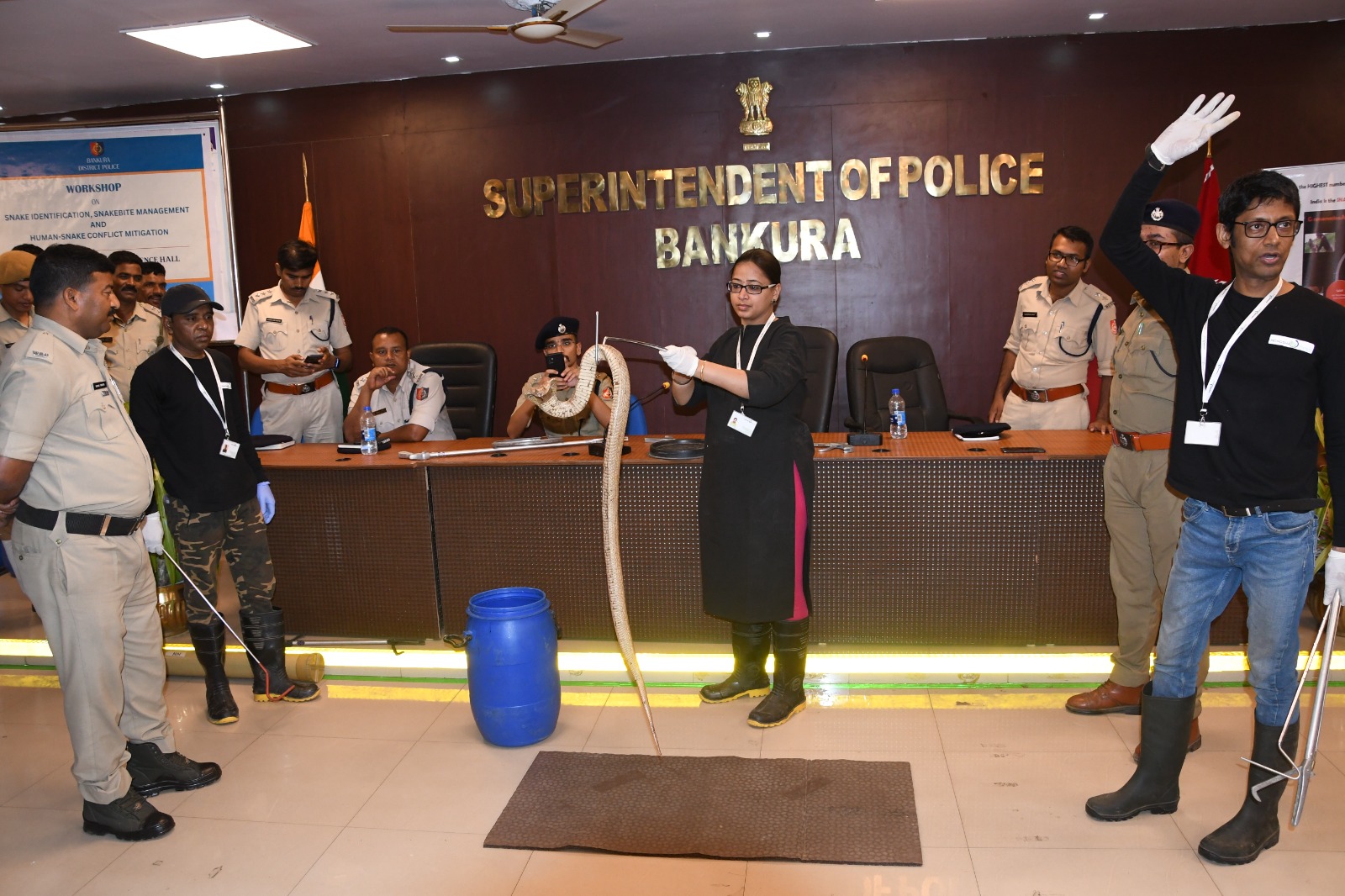
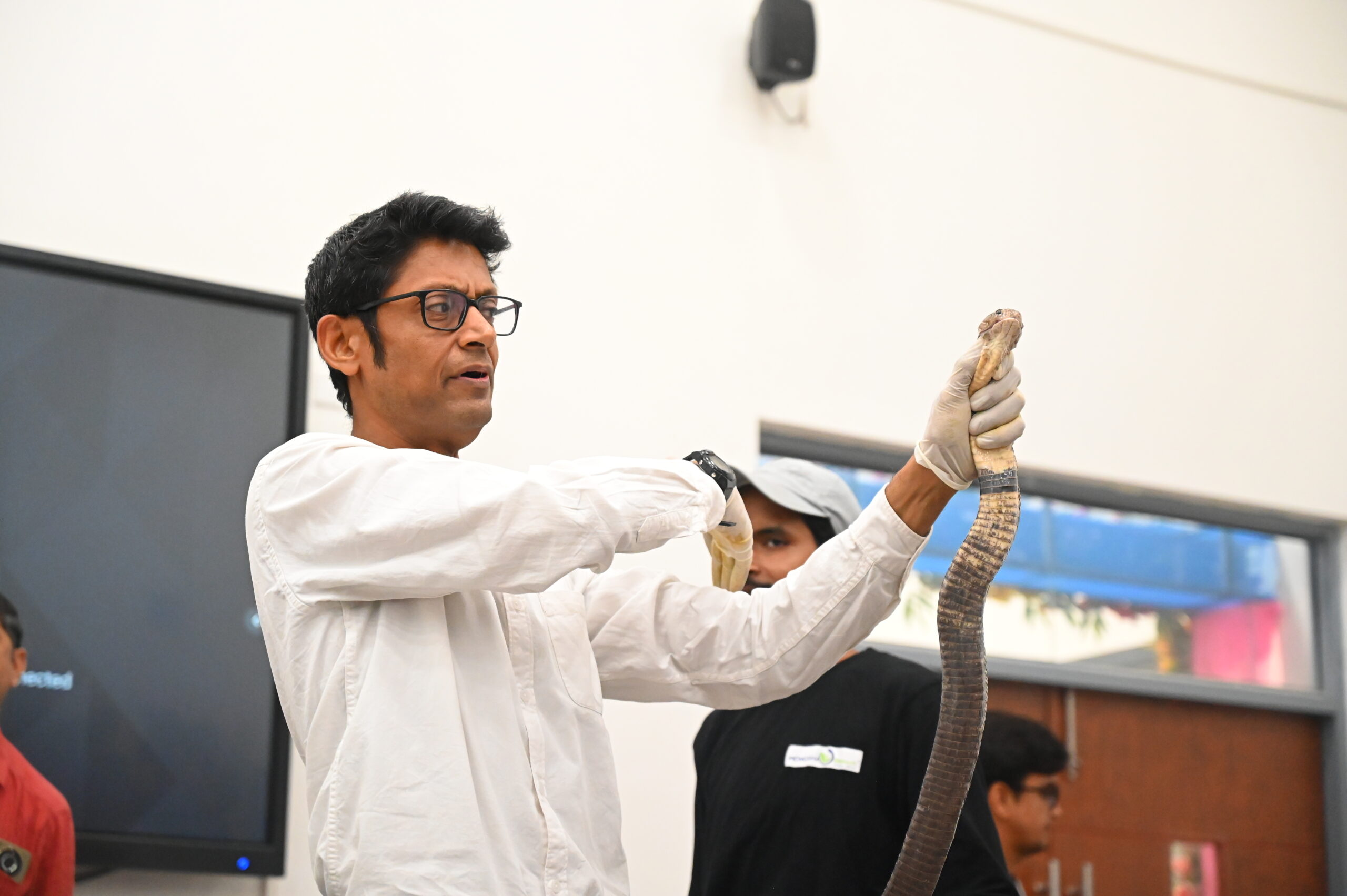
Training frontline and community health workers to recognize envenoming and respond correctly before hospital referral — where most of the time, and most of the risk, is lost.
Bengal Snakebite Consortium
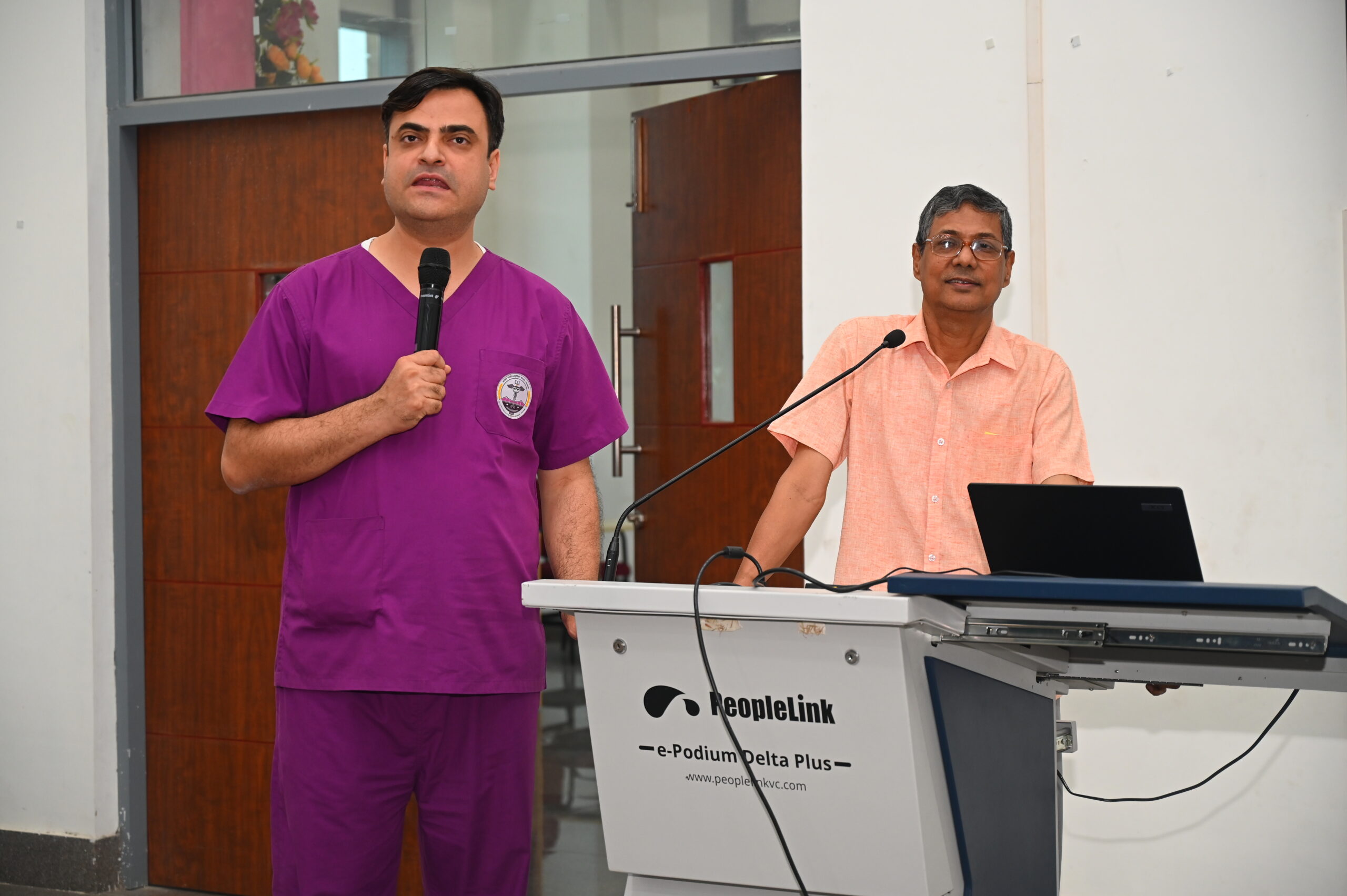
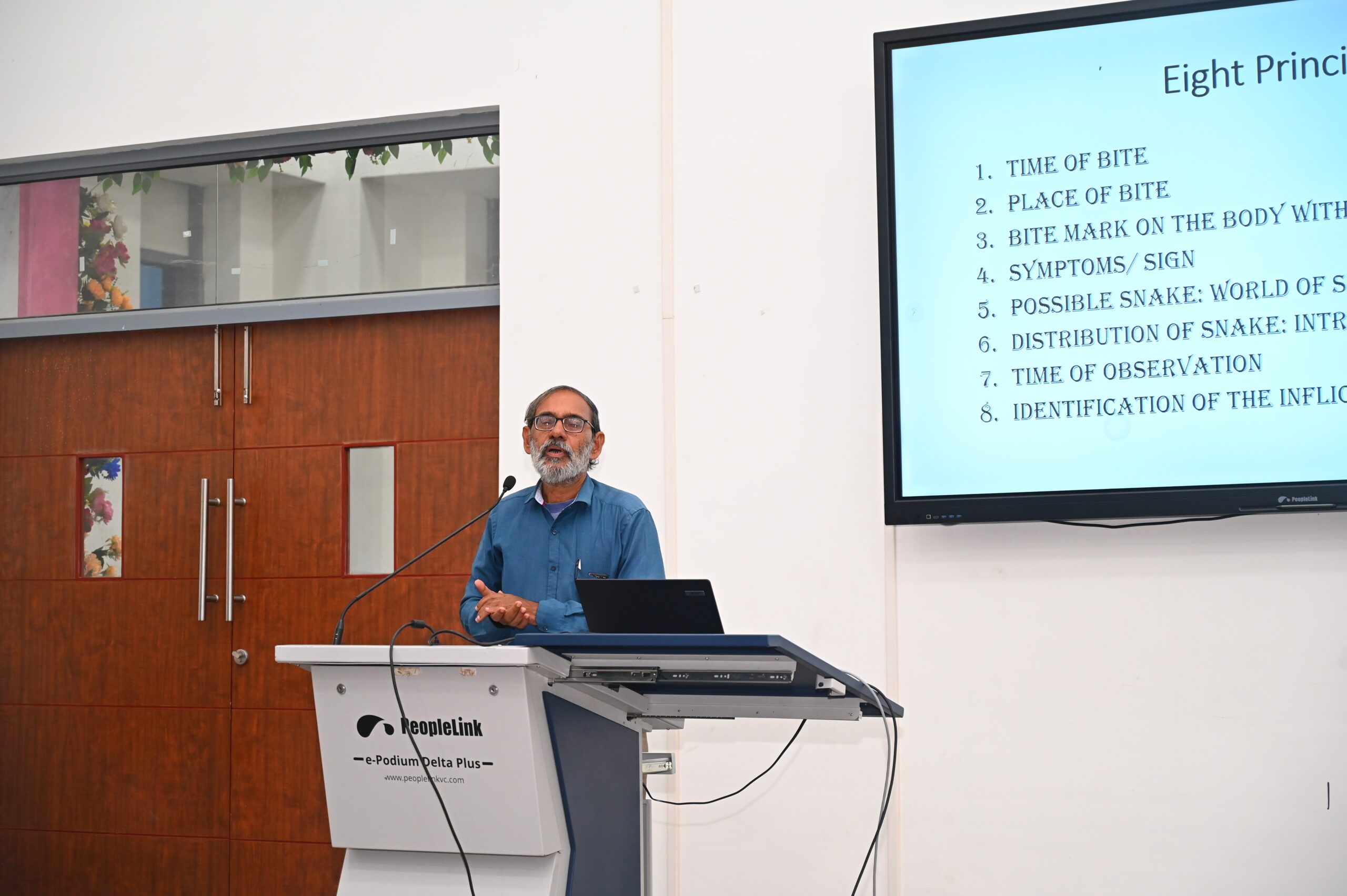
PUBHealth has been collaborating with Juktibadi Sanskritik Sangstha and Monosha Biotech to conduct community-based awareness programs and promote awareness on public health issues.
PUBHealth Foundation is a Section-8 non-profit incubated at the Scientific Entrepreneurship Incubation Center, RISE Foundation, IISER Kolkata — combining translational biology, indigenous AI, and community science to build healthcare that doesn’t depend on imported solutions.
Why this, why now
Snakebite sits at the intersection of everything PUBHealth exists to fix: a disease that overwhelmingly affects rural, low-income communities; a treatment model still built on 20th-century biology; and a solution that has to be affordable and locally manufacturable to actually reach the people who need it. It’s a proving ground for the approach we’re taking across our other work — in phage therapy, microbiome research, and affordable assistive technology.
PUBHealth Foundation
Section-8 Non-Profit Organization

PUBHealth Lab No. 7 RISE Foundation IISER, Indian Institute of Science Education And Research Kolkata, Mohanpur, Nadia – 741246, West Bengal, India.

Quick Links
Disclaimer
PUBHealth Foundation is a research and social impact organization. Medical innovations described are in developmental stages.
© 2026 PUBHealth Foundation. All Rights Reserved.
Designed, Developed and Supported by Technology Partner : Pixel Solutionz


